
Each family has its own story, priorities, and timing. Every household we look after is different, which is why we take a case-by-case approach. Before we allocate a single dollar, every client goes through a comprehensive financial review.
These conversations help us understand what truly matters — what you need, what you value, and what you want for the years ahead.
We take into account major life transitions that can change your goals, income needs, or how your investments should be structured. Our discussions explore not just your financial objectives but also the life events that can reshape them — such as:
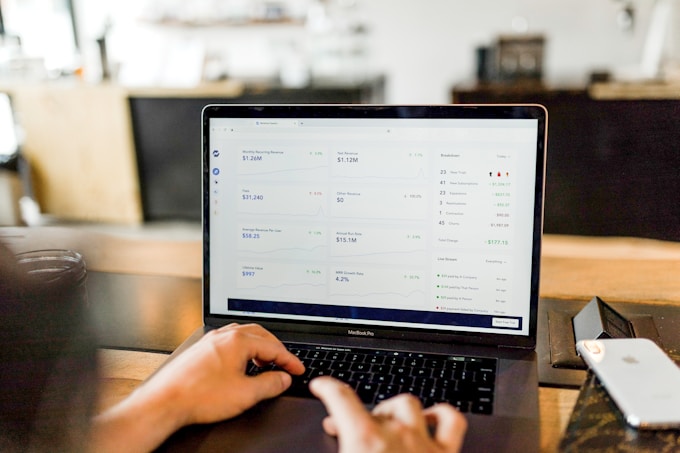
Once we understand your full picture, we design a tailored portfolio aligned with your goals, risk tolerance, and tax considerations. There are always several calls and meetings before we make any recommendations or invest a dollar. Some clients prioritize liquidity, while others focus on tax efficiency or lower volatility. We adjust as markets and life evolve, and our approach ranges from sophisticated strategies for accredited investors to traditional balanced portfolios of stocks, bonds, and mutual funds.
For instance:
Each portfolio can include a mix of asset classes and strategies — including equities, fixed income, alternative investments, and tax-smart solutions — to balance growth, income, and preservation of capital. At The Kent Financial Group, we take the time to understand you first. We build portfolios the same way we build relationships: one at a time. We construct portfolios from the ground up for each client. We provide separately managed portfolios — one client, one portfolio.
We are transparent about everything we do. You will always know our process, our fees, and how we are paid. As an independent firm, our recommendations are chosen on their merits for you, not to promote any company’s products. Unlike a bank, we are not tied to proprietary products and we do not work toward sales targets. Our advice is built around you.
In the end, every portfolio is managed separately, every plan is built from the ground up, and every client is treated as a one-of-a-kind relationship, case by case.
At its core, our philosophy is simple: it is always a function of who the person is — finding the right mix of strategies and assets for that individual’s goals, risk tolerance, and peace of mind.
After more than 30 years in the investment world, we’ve learned that markets, like the weather, are constantly changing. That’s why our approach leans toward being tactical, rather than simply strategic.
Many traditional advisors follow a strategic balanced approach — they set a fixed mix (like 60% stocks, 40% bonds) and stick with it through all market conditions. That may sound disciplined, but it can also mean riding out unnecessary volatility or missing timely opportunities.
By contrast, our style is tactical: We make adjustments along the way based on what’s actually happening in the markets. It’s not about guessing or chasing headlines — it’s about staying informed, being prepared, and acting when it counts.
A strategic investor is like someone who sets the thermostat to 72°F and never changes it — whether it’s sunny, snowing, or sweltering.
A tactical investor, on the other hand, watches the weather and adjusts accordingly — turning on the heat during a cold snap or opening a window on a warm day. It’s dynamic, thoughtful, and responsive to the world outside.

It’s a hands-on, actively managed approach designed to protect your hard-earned money while positioning it to grow.
The goal of a tactical approach is simple: To capture more of the upside when markets are rising, and experience less of the downside when they’re falling.
That means:
Raising cash or reducing equity exposure when markets are overheated or overly risky
Adding to undervalued sectors when there’s opportunity
Using tools like dividend payers, alternatives, or structured notes to reduce volatility and protect capital
Your portfolio should work as hard as you do — but it shouldn’t take unnecessary risks to do it. With a tactical balanced approach, we aim to maintain stability, remain flexible, and help you make steady progress — no matter what the markets are doing.